Quick Sketching Techniques for Nature Drawing
Master the art of capturing movement and light in quick sketches before the weather changes. Perfect for sketching along Gauja's scenic trails and transforming fleeting moments into finished pieces.
Why Speed Matters in Outdoor Sketching
Nature doesn't wait. Light shifts every few minutes. Clouds drift across the sky. That's exactly why quick sketching isn't a limitation — it's a superpower. When you're forced to work fast, you learn to see what actually matters.
We're not talking about rushed scribbles. Quick sketching is a deliberate skill. It's about capturing the essence of a landscape in 15 minutes, then building on that foundation later. Whether you're working along the Gauja River or in your local park, these techniques will transform how you approach drawing outdoors.
What You'll Learn
- Gestural line techniques for capturing movement
- Light and shadow blocking in under 10 minutes
- Selective detail placement for maximum impact
- How to work with changing light conditions
Start with Gestural Lines
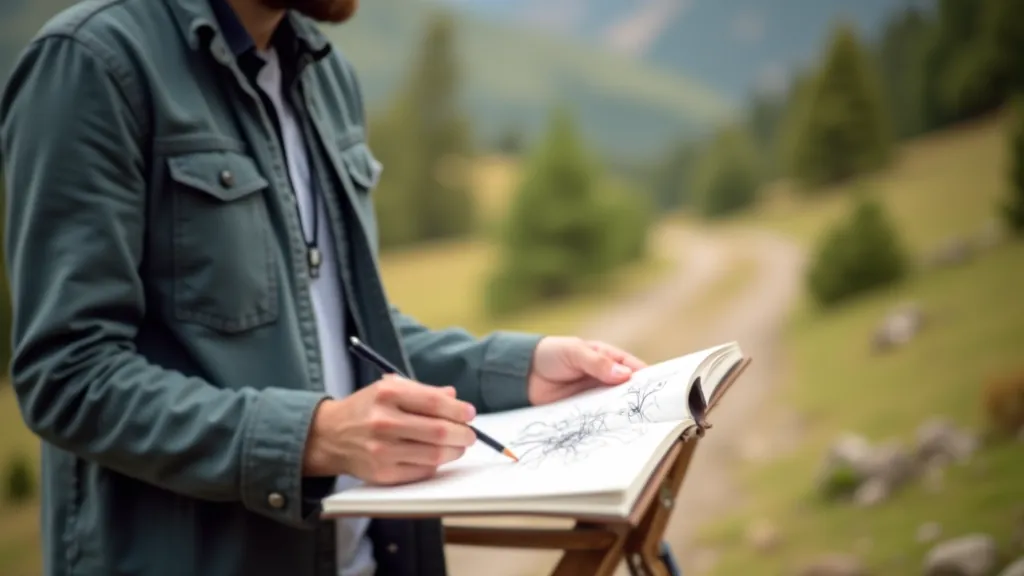
The first 2-3 minutes of any outdoor sketch should be pure movement. Don't think about accuracy yet. Instead, use loose, flowing lines to capture the rhythm of what you're seeing — the way a tree leans, how the terrain slopes, where the water flows.
Hold your pencil lightly. Let your whole arm move, not just your wrist. These gestural lines become your roadmap. They'll guide everything that comes next. Most experienced sketchers spend roughly 30% of their time on gesture work because it's the foundation. Get this right, and the details almost draw themselves.
A common mistake? Trying to be precise too early. Don't worry about tree species or exact proportions at this stage. You're just mapping energy and structure. These lines will likely disappear under your finished work — that's perfectly fine.
Block in Light and Shadow Fast
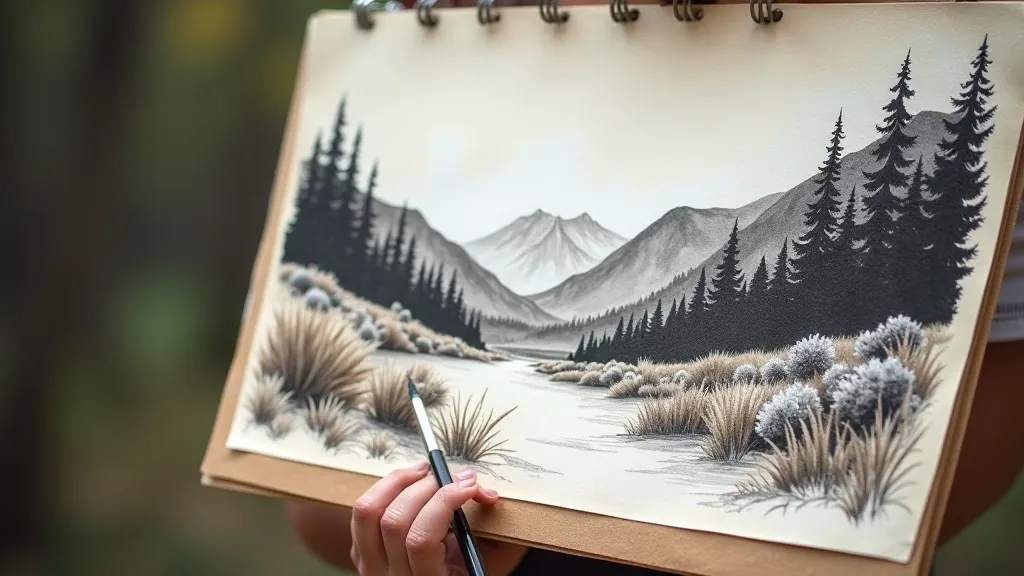
Once your gesture lines are down, spend 3-4 minutes identifying where the light and dark areas sit. This doesn't require detail — just broad shapes. Squint at your subject. What's the lightest light? Where's the darkest dark? Everything else sits between those two points.
Use your pencil or charcoal to block in these values quickly. Fill large areas. Don't render texture yet. This blocking creates visual drama and makes your sketch readable from across the room. It's the difference between a sketch that looks flat and one that jumps off the page.
Pro tip: Use a mid-tone paper instead of white. It saves you time because you can add both darks and highlights. On white paper, you're constantly trying to preserve the white. On gray or tan paper, you're just working in the middle, which is faster.
Strategic Detail Placement
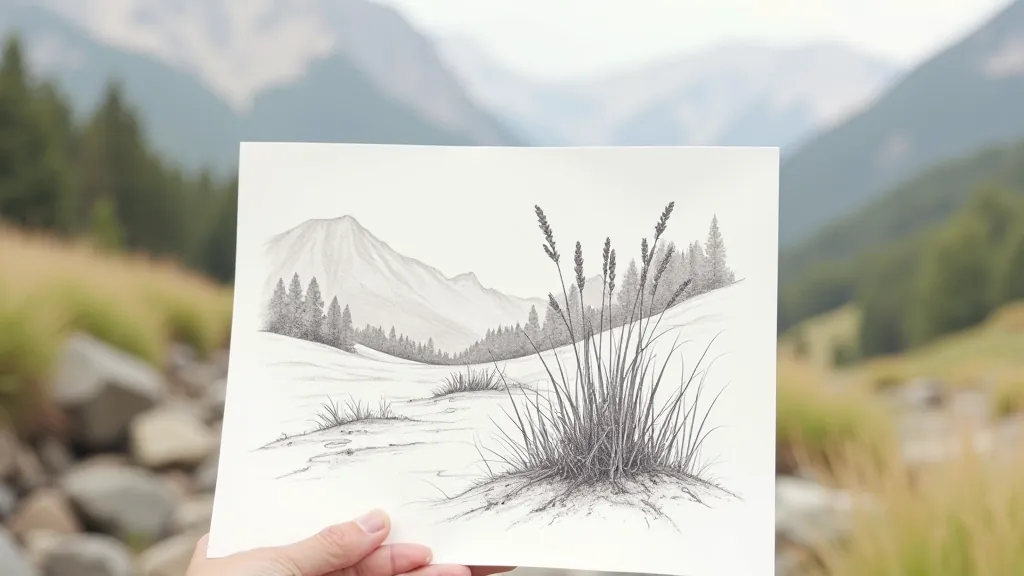
This is where quick sketching gets smart. You won't detail everything — there's no time. Instead, you'll detail what matters. Usually that's your focal point. If you're drawing a forest path, detail the trees closest to you. If it's a river scene, render the water's surface where light hits it most dramatically.
Leave everything else suggestive. A few carefully placed branches suggest an entire forest. A handful of texture strokes imply grass. Your viewer's eye fills in what you don't draw — and they'll actually feel like your sketch is MORE detailed than it is.
The rule we use: Spend 60% of your time on the first 20% of the sketch (gesture + light/shadow), then use your remaining time on detail in the focal area. It sounds backwards, but it works. You end up with sketches that feel complete and compelling rather than half-finished.
Minimal Tools for Maximum Flexibility
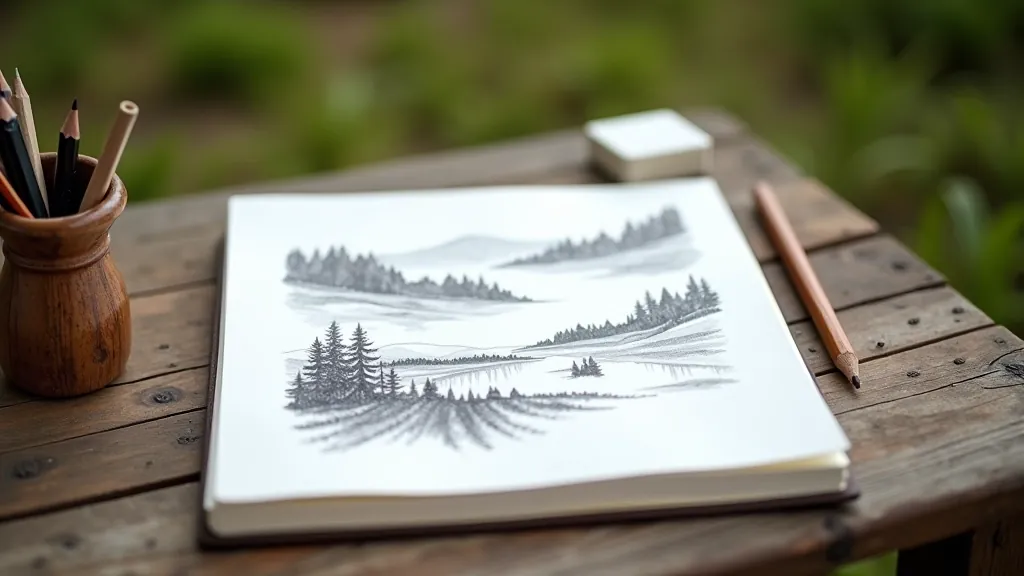
You don't need much to sketch outdoors. In fact, carrying less forces you to work smarter. Here's what actually matters:
Pencils (HB to 2B)
These two grades handle 90% of what you'll encounter. HB for initial lines, 2B for shadows. Don't overthink it.
Toned Sketchbook
Mid-tone paper (gray or tan) saves enormous time. Bring one good sketchbook rather than multiple.
Kneaded Eraser
Shape it into a point for precision work. It lifts rather than damages paper — critical for quick sketches.
White Chalk or Pencil
Adds highlights on toned paper. Creates instant luminosity without erasing.
Important Note
The techniques described here are educational guidelines based on traditional drawing practices. Individual results vary based on personal skill level, experience, and practice. These methods aren't rules — they're starting points. The best approach is to experiment with different techniques and discover what works for your unique style. Drawing improvement comes from consistent practice and observation, not from following steps alone.
Put It Into Practice
The next time you're out on the trails near Gauja, spend 15 minutes on a quick sketch. Start with gesture lines. Block in your light and shadow. Add strategic detail. Don't overthink it. You'll be surprised how complete a sketch can feel in such a short time.
Quick sketching teaches you to see differently. You learn which details actually matter. You understand how light works. You develop a visual shorthand that makes finished work easier later. Most importantly, you're out there drawing — capturing the moment, the place, the light that won't come again.
That's the real skill worth developing.

Continue Learning