Quick Sketching Techniques for Nature Drawing
Learn how to capture movement and light in quick sketches before the weather changes.
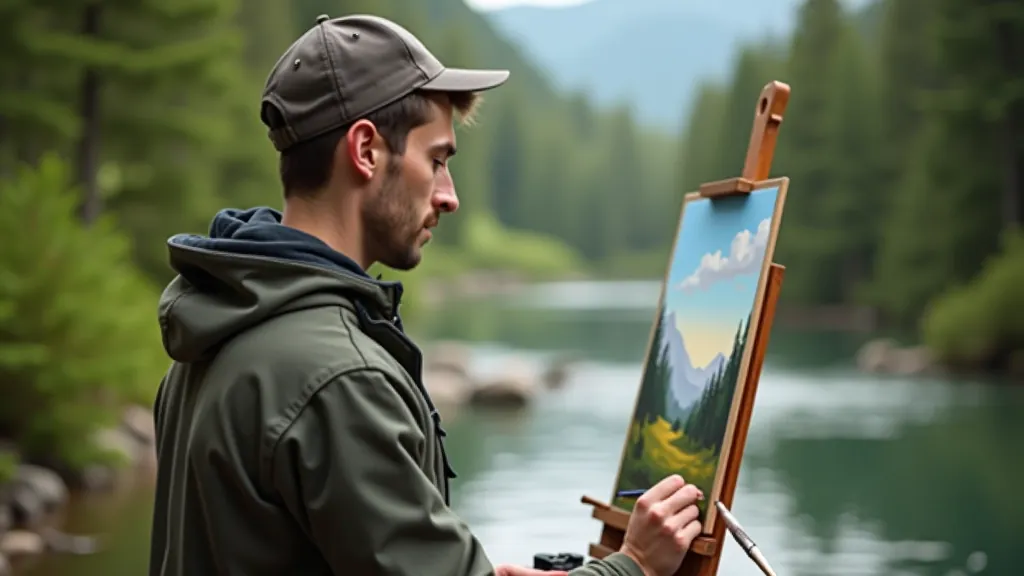
Everything you need to know about setting up for plein air painting — from choosing the right materials to finding your first sketching spot along the Gauja River.
Painting outside is completely different from working in a studio. You're not just creating art — you're responding to real light, real weather, and real moments that won't come back. The Gauja Valley offers some of the best outdoor painting opportunities in the region, with varied landscapes, changing seasons, and that perfect mix of accessibility and natural beauty.
We're not going to pretend it's easy at first. You'll deal with wind, unexpected rain, and the pressure of capturing a scene before the light changes. But here's the thing — that's exactly what makes plein air painting so rewarding. You learn to work faster, make bolder decisions, and develop a connection with the landscape that studio painting just can't match.
See colors and values exactly as they appear in natural light, not from photos or memory.
Work quickly to capture the moment before light and weather change. Develops your artistic instinct.
You'll develop a real relationship with the landscapes you paint. The Gauja becomes part of your artistic journey.
You don't need everything. Seriously. Some of the best plein air painters work with just a handful of supplies. What you're looking for is quality basics that won't let you down in changing conditions.
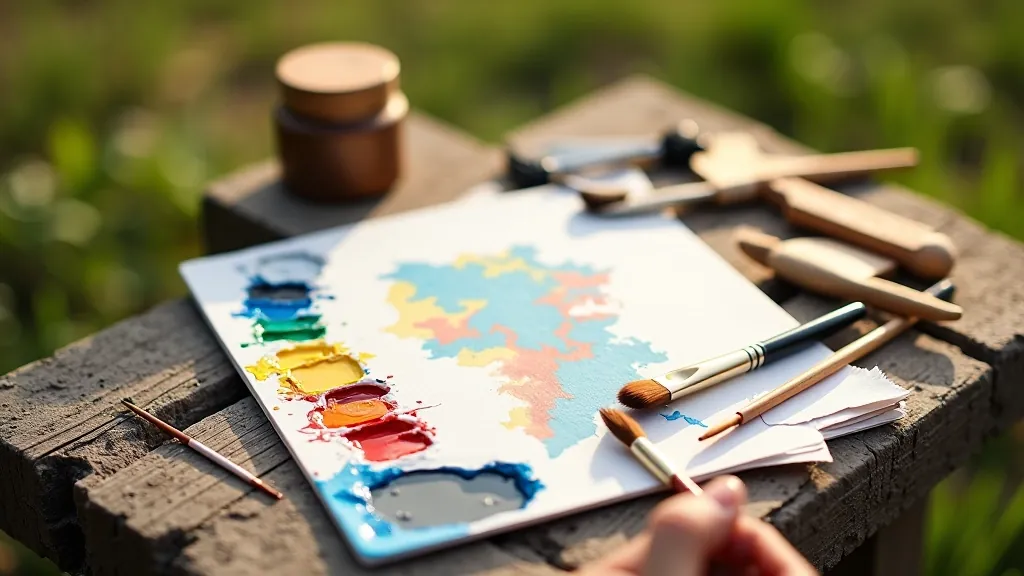
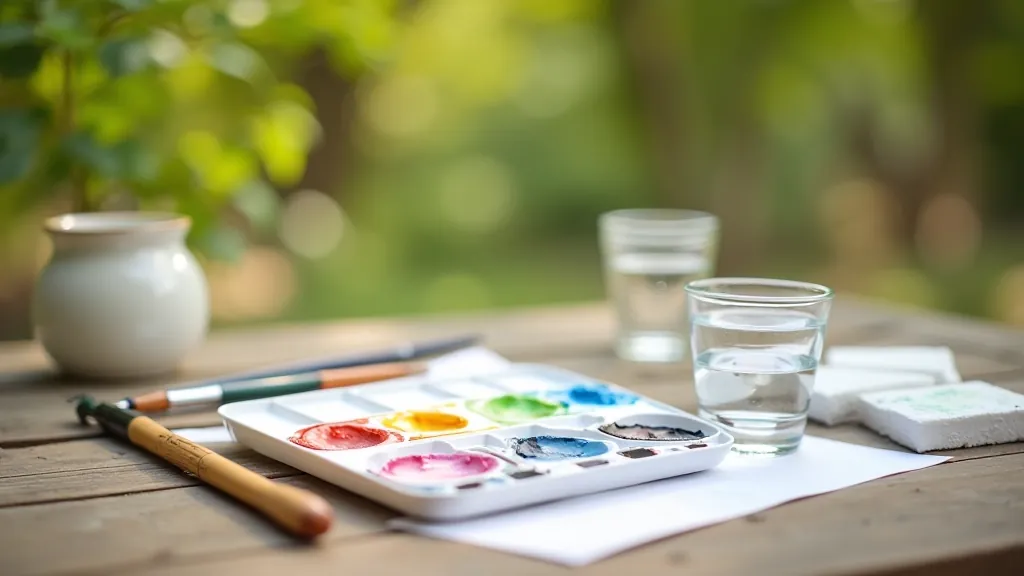
Start with a half-pan watercolor set (12-24 colors is plenty), a couple of natural hair brushes, a small mixing palette, and watercolor paper. We're talking maybe 40-50 euros for a decent beginner kit. The key is that your paints stay fresh and your paper actually holds water properly.
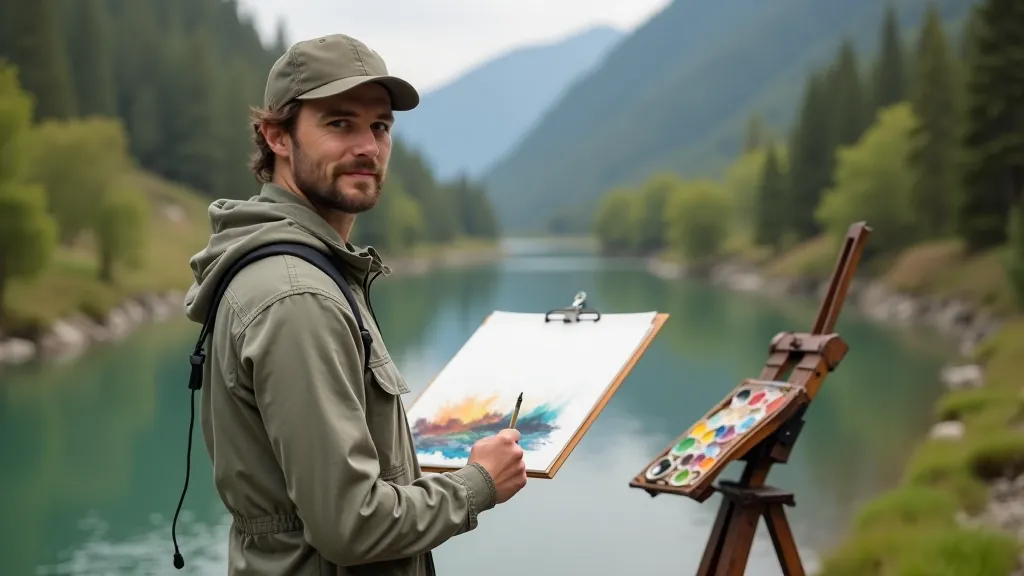
Most experienced painters recommend investing in a lightweight, portable easel or a sturdy sketchbook that you can hold in your lap. Wind's going to be your main enemy, so you'll want something stable but easy to transport.
This article provides educational information about getting started with outdoor watercolor painting. Individual results and experiences vary based on your skill level, materials quality, and practice frequency. We recommend starting with basic supplies and gradually expanding your kit as you discover your preferences. Always check weather conditions and ensure you have permission before painting in natural areas, especially within protected zones along the Gauja River.
Once you've done a few paintings, you'll figure out what you actually need versus what's just nice to have. Some painters swear by expensive sable brushes. Others get amazing results with synthetic ones that cost a quarter of the price. The difference? Practice matters way more than equipment.
What you'll probably add over time: a portable water container (collapsible ones work great), a small spray bottle to keep your palette moist, maybe some fixative spray, and definitely a weather-resistant bag to protect everything. You might also invest in a folding stool or a portable easel. But honestly? You can paint standing up, sitting on the ground, or perched on a rock if you're determined enough.
The best upgrade is better paper. Watercolor paper comes in different weights (measured in grams per square meter) and textures. 300gsm is the standard minimum for outdoor work. It won't buckle when you're wet-brushing, and it actually feels like you're painting on quality materials. That psychological difference is real.
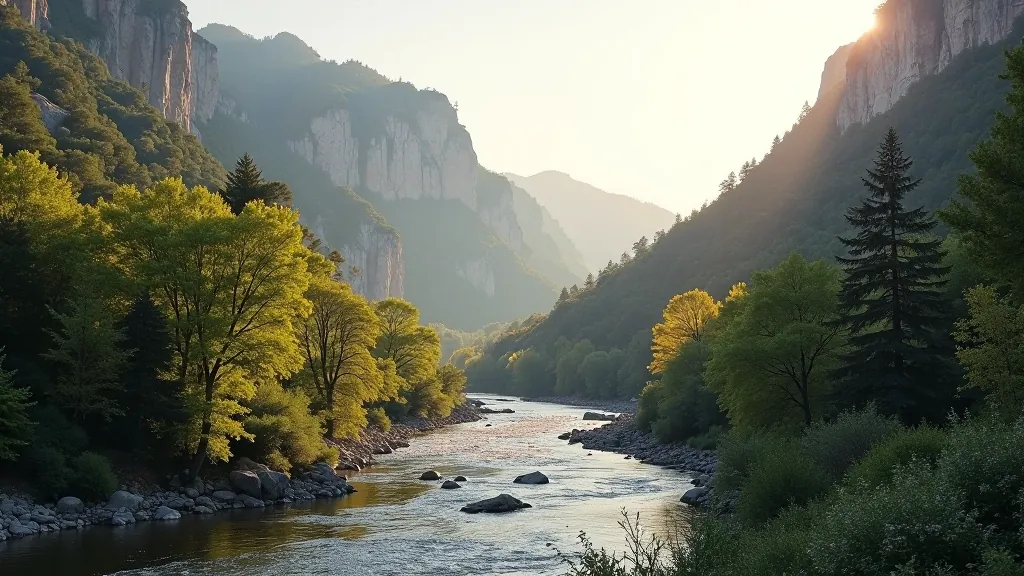
The Gauja Valley is genuinely incredible for plein air work. You've got the river itself with its dramatic sandstone cliffs, the forests that change color dramatically across seasons, and small villages with character. Start with accessible locations — places you can reach without a two-hour hike while carrying supplies.
Beginners often overthink the location choice. You don't need a "perfect" view. What you need is a spot where you can sit comfortably for 1-2 hours without being harassed by curious dogs or irritated landowners. The riverside areas near Sigulda work beautifully, especially in early morning or late afternoon when the light's more interesting. Avoid midday glare — the sun directly overhead creates harsh shadows that are harder to paint convincingly.
Scout locations beforehand if you can. Notice where the light comes from at different times, what the view looks like from sitting position versus standing, and whether you'll have shade from a tree (crucial in summer). A 15-minute location check beats showing up unprepared and wasting half your painting time figuring things out.
Your first few sessions won't produce gallery-worthy work. That's not the point. You're learning how watercolor behaves outdoors, where it dries differently than in your studio, where the wind affects your washes, and where you need to work faster because you're chasing light.
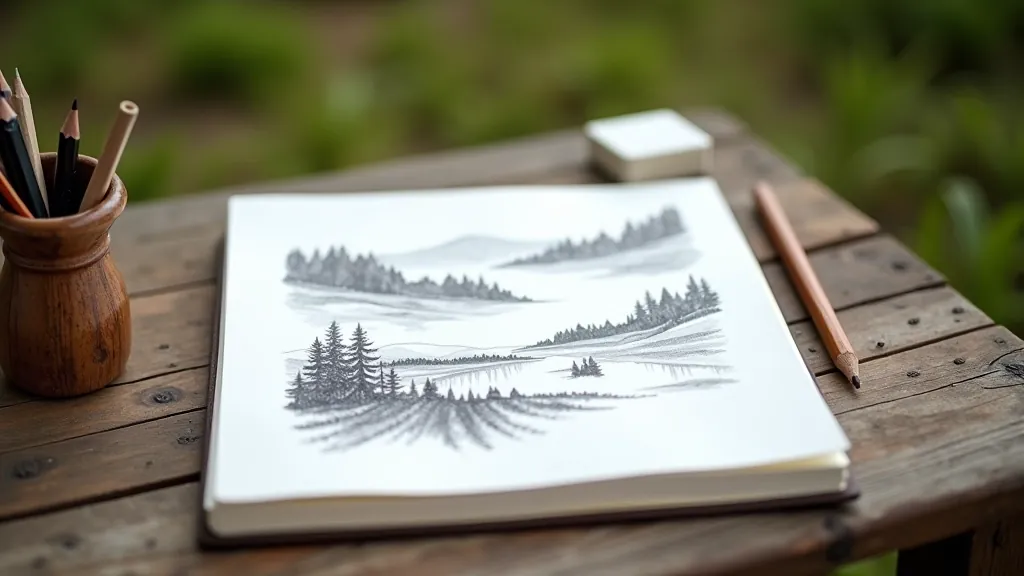
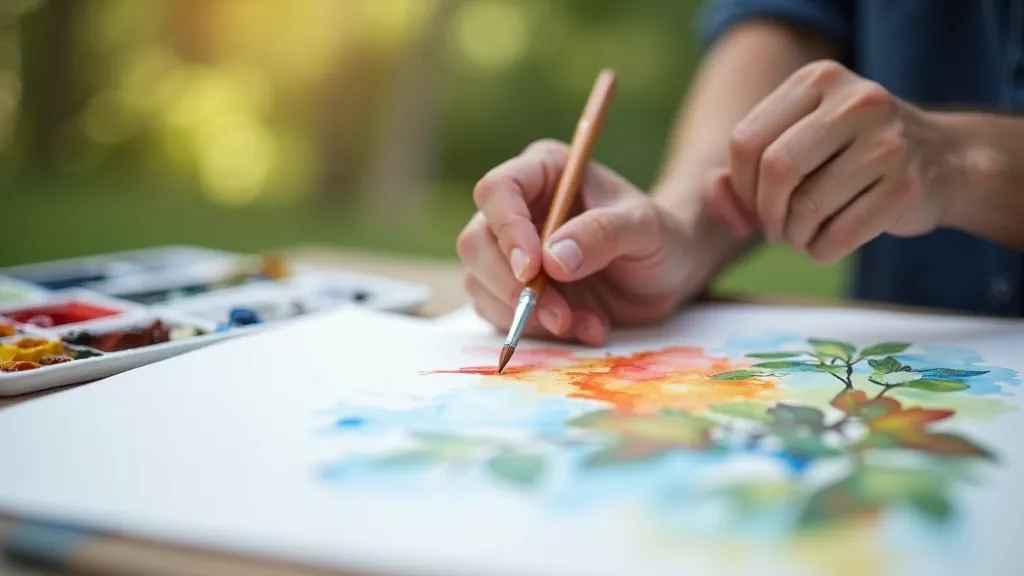
Start simple: sketch lightly in pencil (don't press hard), lay down light washes for your values and colors, then add darker details. Work from light to dark — it's the watercolor way. Don't overwork it. Seriously. The moment you start fussing with a passage that's already done, you'll muddy the colors and lose that fresh, spontaneous quality that makes plein air painting special.
Most painters spend about 30-45 minutes on an outdoor sketch. You're capturing the essence of the place and light, not creating a finished painting. That's the freedom of plein air work. You're allowed to be loose, experimental, and imperfect. In fact, you're encouraged to be.
Paint on half-sheet or quarter-sheet paper (around 15x20 cm). You'll finish faster, feel less pressure, and be more willing to experiment.
More than you think you'll need. A collapsible water container works perfectly. You need clean water for rinsing and clean water for mixing — two containers if possible.
Use a clip board or tape your paper down. Wind's deceptive — it looks calm but suddenly whips your sketch around. Not fun when you've got wet washes going.
Early morning or late afternoon light is more dramatic and interesting. Midday sun is harsh and creates problems. Aim for sessions between 7-9 AM or 4-7 PM.
Write the location, date, and time on the back of your sketch. After a few months you'll see patterns in what works and when. That's valuable information.
Stay and do a second sketch. Or just sit and look at the landscape. The second painting's usually better because you've already worked out the composition.
Here's the real secret about getting started with plein air painting: you just have to start. Stop waiting for perfect conditions, perfect supplies, or perfect light. Pick a weekend morning, grab your supplies, and head to the Gauja. Paint something. It won't be masterpiece-quality. That's completely fine.
What you'll get instead is experience. You'll learn how your paints mix in real sunlight. You'll discover which brushes actually work for you. You'll develop a feel for how fast watercolor dries when there's a breeze. And you'll start building a connection with the landscape that no studio painting could ever give you.
The painters you admire? They didn't start as experts. They started exactly where you are now — with basic supplies, a blank page, and no idea what they were doing. The only difference is they actually went outside and painted.