Capturing Light and Shadow in Landscape Painting
Master the essential techniques for painting realistic light effects in outdoor scenes. We'll break down how to observe the interplay of light and shadow, then translate what you see into convincing paint.
Why Light and Shadow Matter Most
Here's the thing about landscape painting — you could nail the composition, get your colors right, and still create something flat. Light and shadow are what make a painting breathe. They're what pull the viewer's eye into the scene and make it feel like a real place rather than just a picture of a place.
When you're painting outdoors, light changes constantly. But that's actually good news. It means you'll get better at reading light faster than if you were working from photos in a studio. You'll learn to see the subtle shifts — how warm light hits a distant hill differently than cool shadow on the valley floor, how atmosphere softens distant forms while sharp light defines what's close.
The fundamentals don't change much whether you're working with watercolor, acrylics, or oils. Once you understand how light behaves, you can apply it to any medium.
The Core Challenge
Your eye sees millions of colors and values. Your paints are limited. You'll need to simplify — not eliminate — shadow detail to make light sing.
Learning to See Light Properly
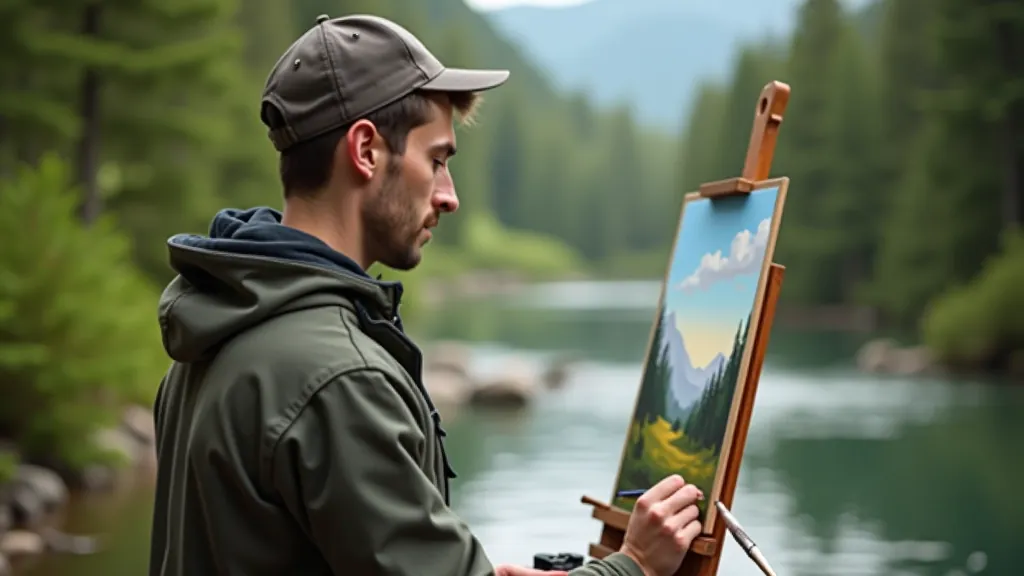
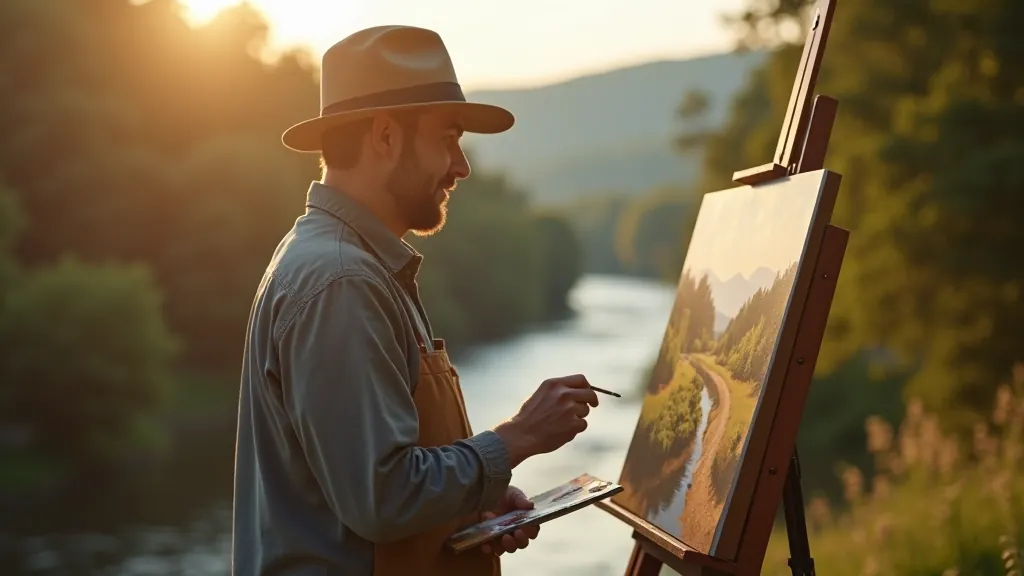
Before you pick up a brush, spend time just looking. I'm serious. Sit on a hillside in Gauja Valley for twenty minutes without painting. Watch how light pools in the river bend. Notice where shadow creates depth — it's usually not where you'd expect it. Shadow isn't just darker color. It's cooler color, softer edges in the distance, and often contains reflected light from surrounding surfaces.
A common mistake beginners make is painting shadows too dark. You'll want to squint at your subject. Literally. Squinting compresses values and helps you see the true relationship between light and shadow areas. What looks medium-gray to your regular eye becomes almost the same value as surrounding light when you squint.
Pay attention to three specific things: the light source direction, the quality of light (harsh midday sun feels different than soft morning light), and how atmosphere affects distant elements. Those three observations will determine 80% of your painting decisions.
Understanding Value and Color Temperature
Value and temperature are your two main tools. Value is how light or dark something is. Temperature is whether it's warm or cool. You can have a light, cool shadow and a dark, warm light. That combination is what makes paintings feel dimensional.
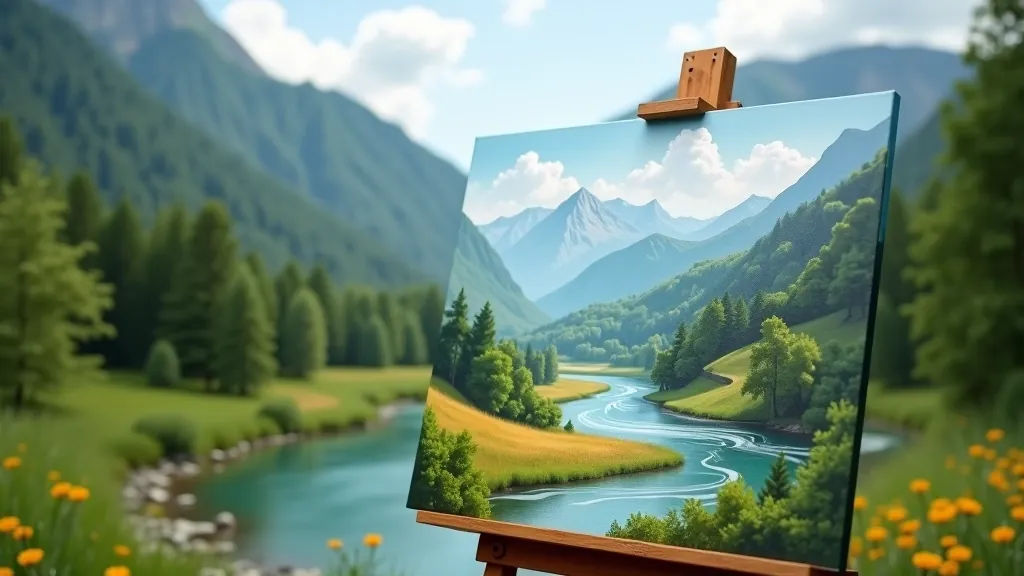
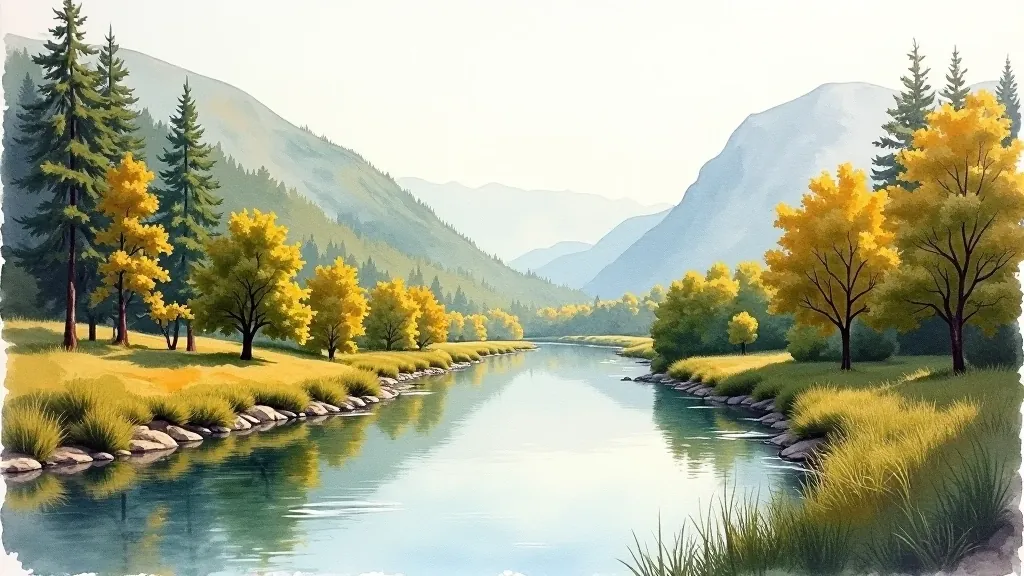
In the Gauja Valley, you'll often see warm golden light in the afternoon hitting the hills from the west, while the eastern side falls into cool violet shadow. It's not about matching exact colors. It's about capturing that warm-versus-cool relationship. A yellow-ochre light against a blue-violet shadow will read as sunlit landscape faster than accurate local color.
Most painters work with 4-5 main values: the lightest light (almost white), light, midtone, shadow, and the darkest dark. You don't need to use all of them everywhere. In fact, restraint is better. Reserve your darkest darks for where you want drama. Use them sparingly.
Here's a practical exercise: paint a quick study using only three values — light, medium, and dark. No gradations between. This forces you to simplify and really see the structure of light in your scene.
Practical Techniques That Work
Underpainting for Structure
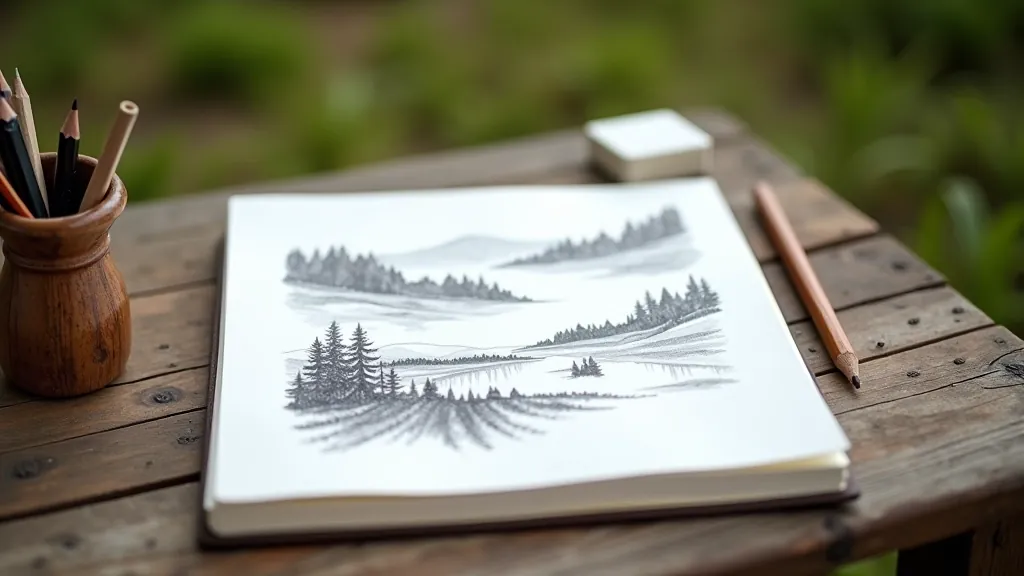
Start with a monochrome underpainting — just one neutral color thinned with medium. Block in your light and shadow areas roughly. This gives you a value map before color decisions get complex. You're committing to the structure first, details later.
Soft Edges in Distance
Atmosphere softens edges the farther away things are. Hard edges pull forward. Soft edges push back. This single principle creates depth faster than perspective lines. Paint distant hills with soft, blended edges. Keep crisp edges for foreground details.
Reflected Light in Shadows
Shadows aren't holes. They reflect light from surrounding surfaces. If you're painting a hill in shadow with a river reflecting sky below it, the shadow side of the hill picks up cool blue reflected from the water. This subtle warmth-to-coolness shift makes shadows feel alive.
Temperature Shifts Create Dimension
Warm colors advance, cool colors recede. In your light areas, lean warm. In shadows, lean cool. This temperature gradient across the painting creates atmospheric perspective without needing to paint distant objects smaller.

Educational Disclaimer
This article provides educational guidance on landscape painting techniques. Individual results vary based on materials, experience, and personal artistic style. The principles discussed are meant to guide your learning journey — they're not rigid rules but rather frameworks that experienced painters use. Your own experimentation and practice are essential to developing your unique approach to capturing light and shadow.
Putting It Into Practice
You're ready to paint. Arrive early enough to set up before the light gets too intense. Pick a spot where light will be stable for at least an hour — morning or late afternoon are ideal. Avoid harsh midday sun unless you want that dramatic contrast.
Start with the biggest shapes. Squint. Block in your light and shadow masses. Don't worry about detail. The first five minutes of your painting should establish where light is hitting and where shadow lives. Everything else builds from that foundation.
As light shifts — and it will — you'll need to decide: do I chase the changing light, or do I commit to the light I started with? Both approaches work. Many plein air painters commit to a light direction and stick with it, even as reality shifts. This keeps the painting unified rather than muddied.
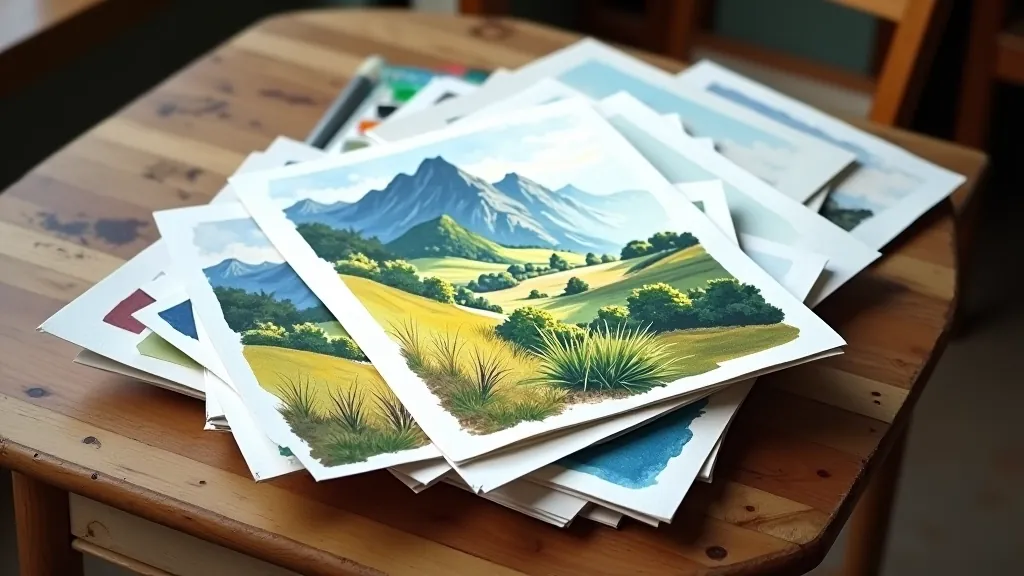
By the time you finish your first dozen small paintings, you'll understand light differently. You won't second-guess your shadow colors. You'll trust that warm light against cool shadow reads as "sunlit landscape" faster than any other combination.
Ready to Paint Light and Shadow?
The best way to understand these principles is to experience them firsthand. Take your materials to the valley, find a comfortable spot, and paint what you see. Each painting teaches you something new about how light behaves.
Explore More Plein Air GuidesRelated Articles